The Importance of Honeyvine Milkweed During Fall Monarch Migration
It’s that time of year when the weather is nicer, and people are looking to weed garden beds that were neglected during the heat of summer. But did you know that a common garden/yard weed can actually be highly beneficial to the monarch butterfly?
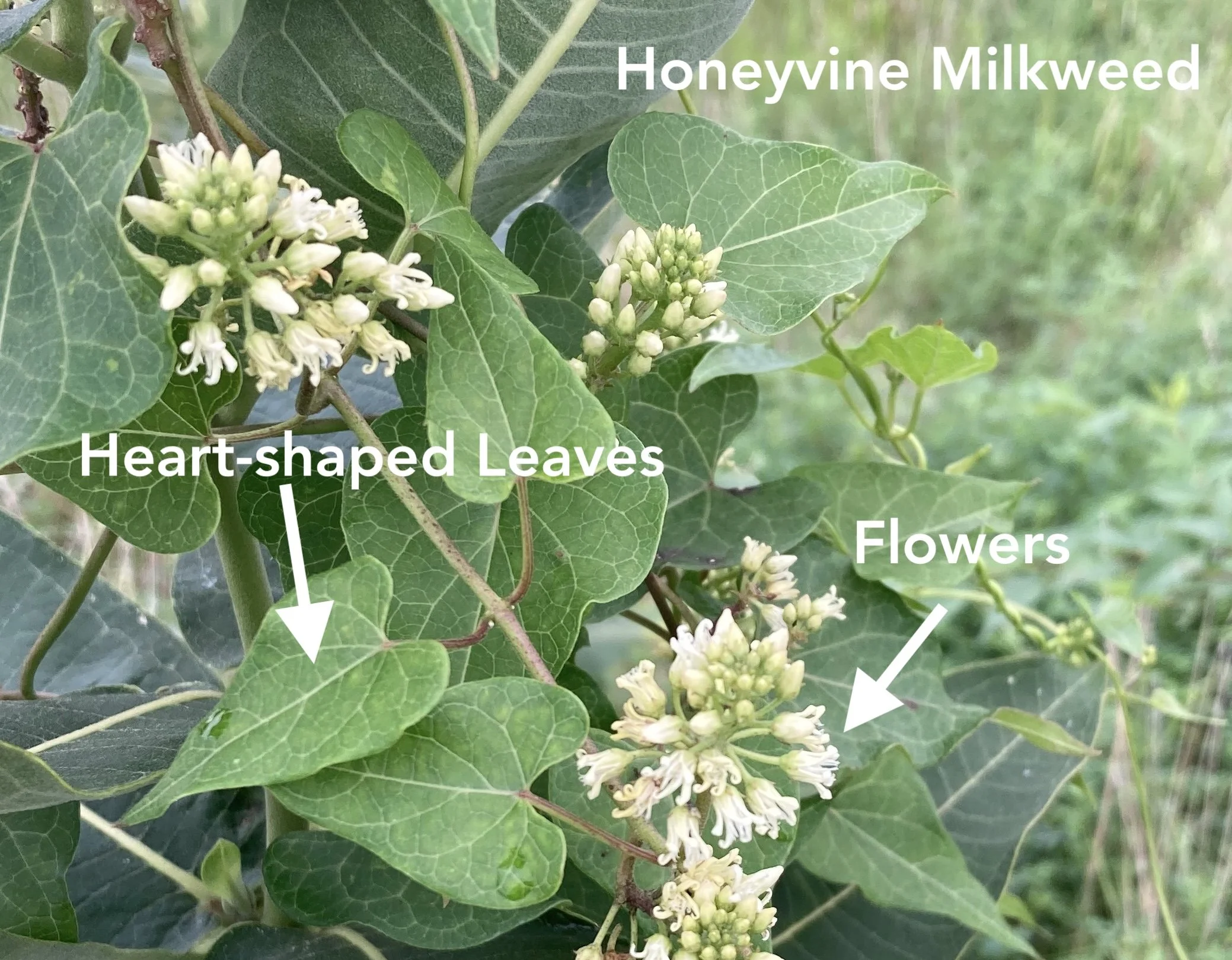
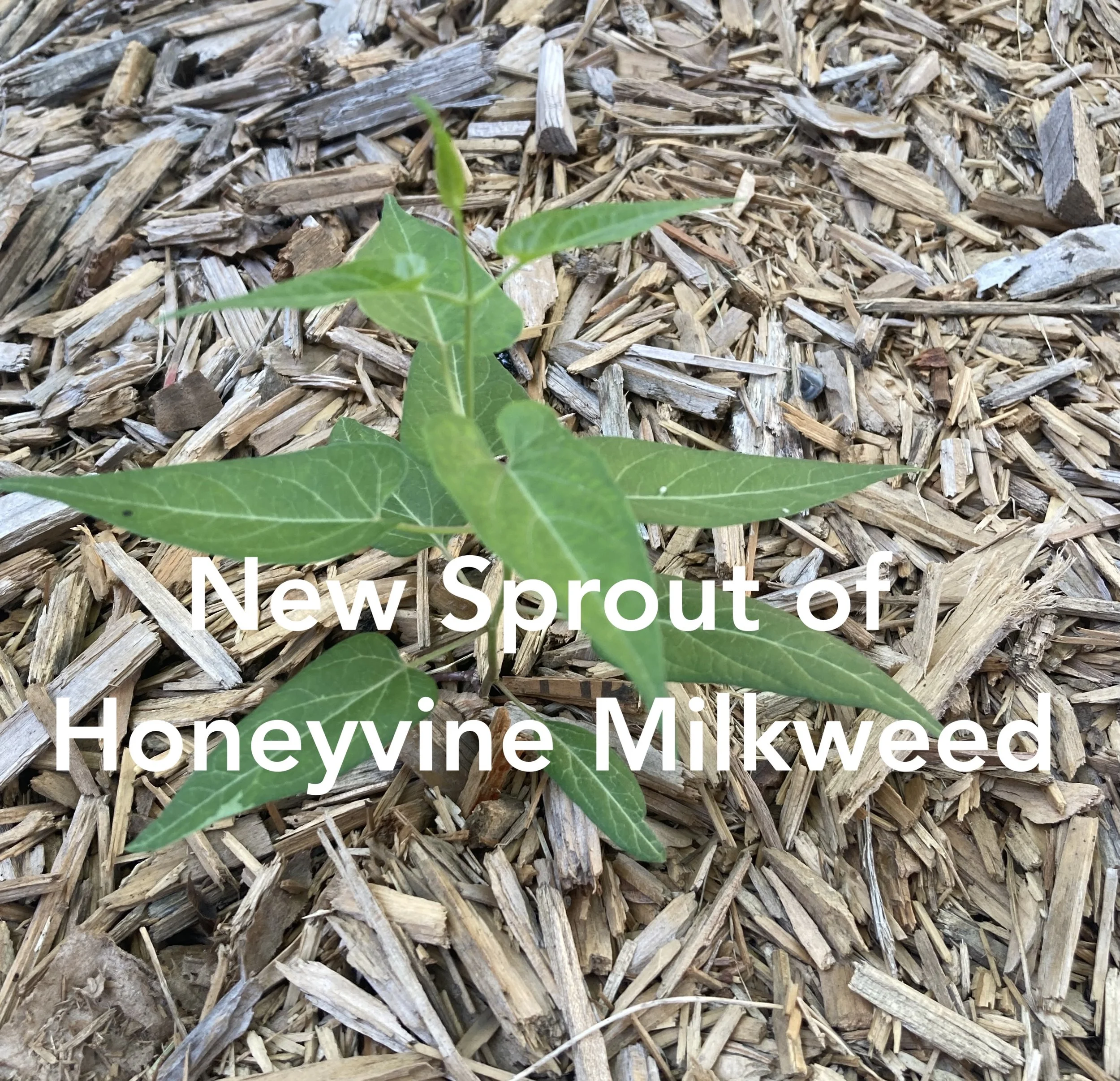
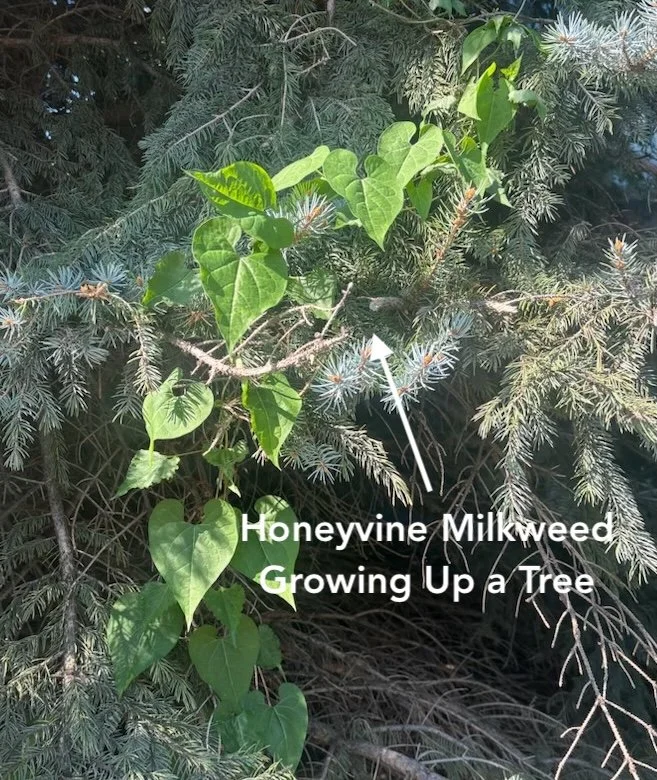
Honeyvine milkweed is a viny plant with heart-shaped leaves, not to be confused with the highly aggressive bindweed that has triangular, arrow-shaped leaves. Honeyvine milkweed is typically found snaking its way through a shrub or growing along fence lines (see pictures below).
During late summer, many milkweed plants that were favored in early summer, such as common and swamp, begin looking a little “worse for wear.” In contrast, honeyvine milkweed can virtually pop up over night and is fast growing. This makes it ideal for monarchs that often prefer to lay eggs on new growth so that their caterpillars have tender leaves as a food source once hatched.
If you are weeding your garden beds or out mowing the lawn and come across honeyvine milkweed, we recommend:
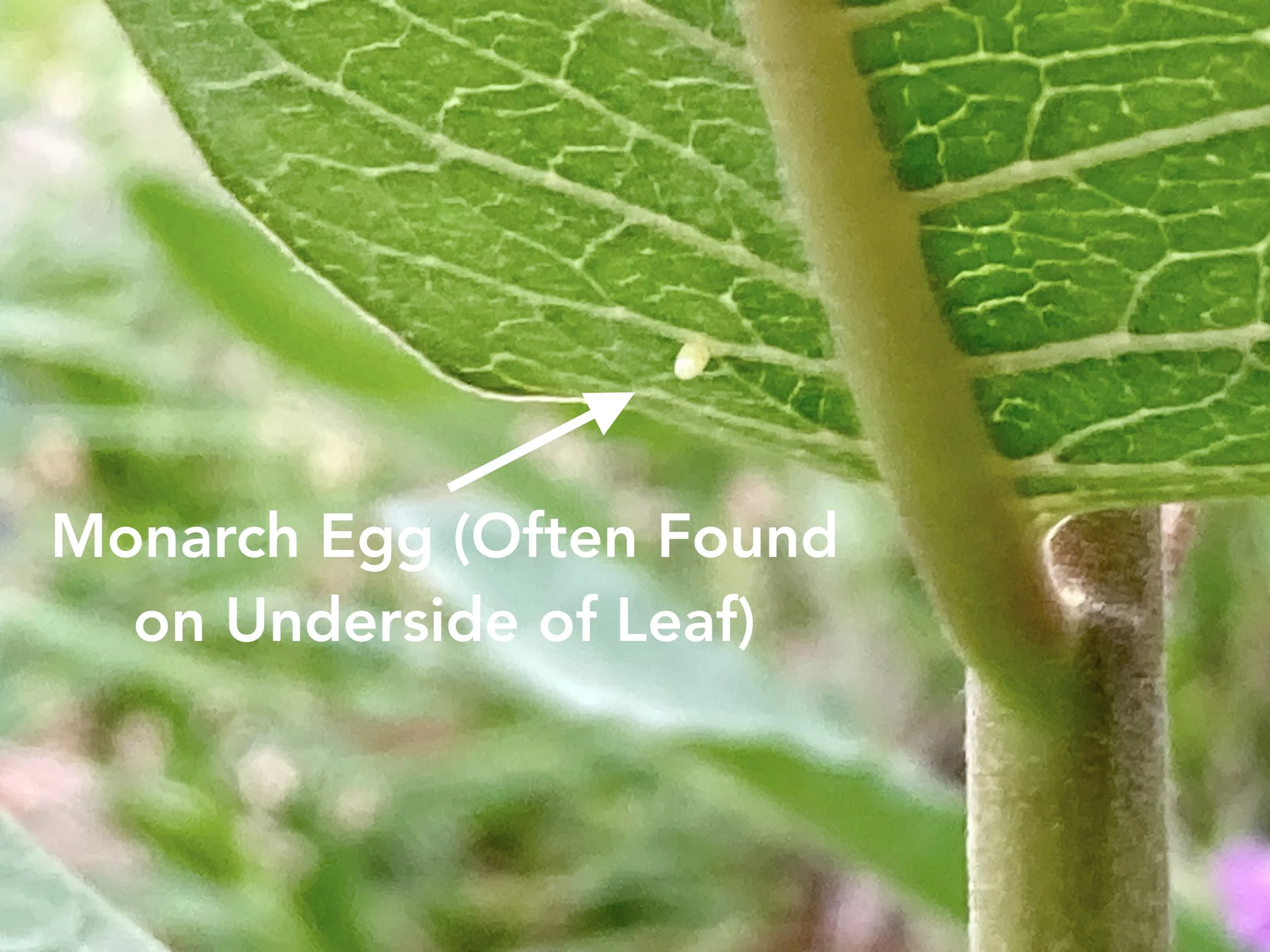
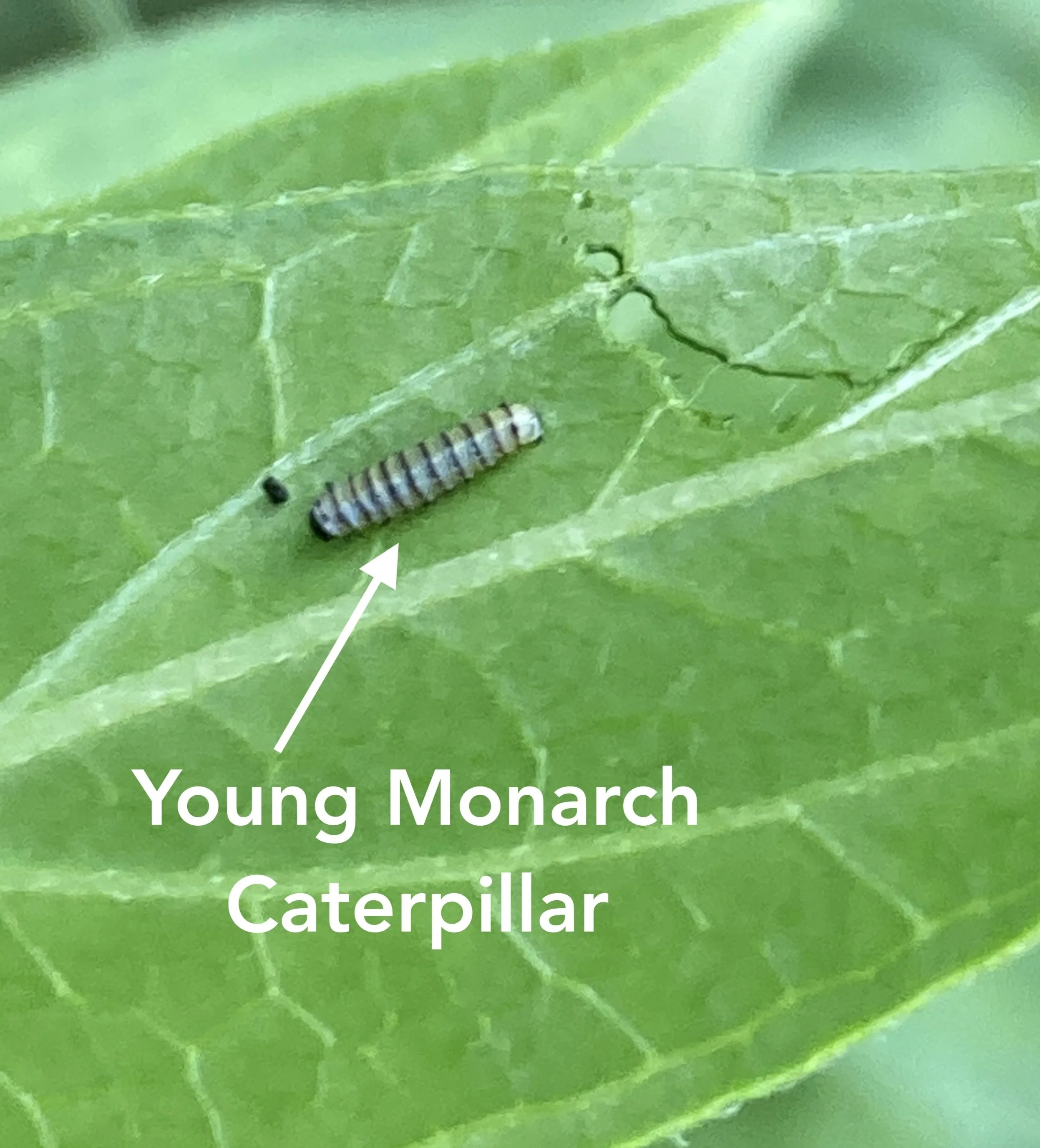
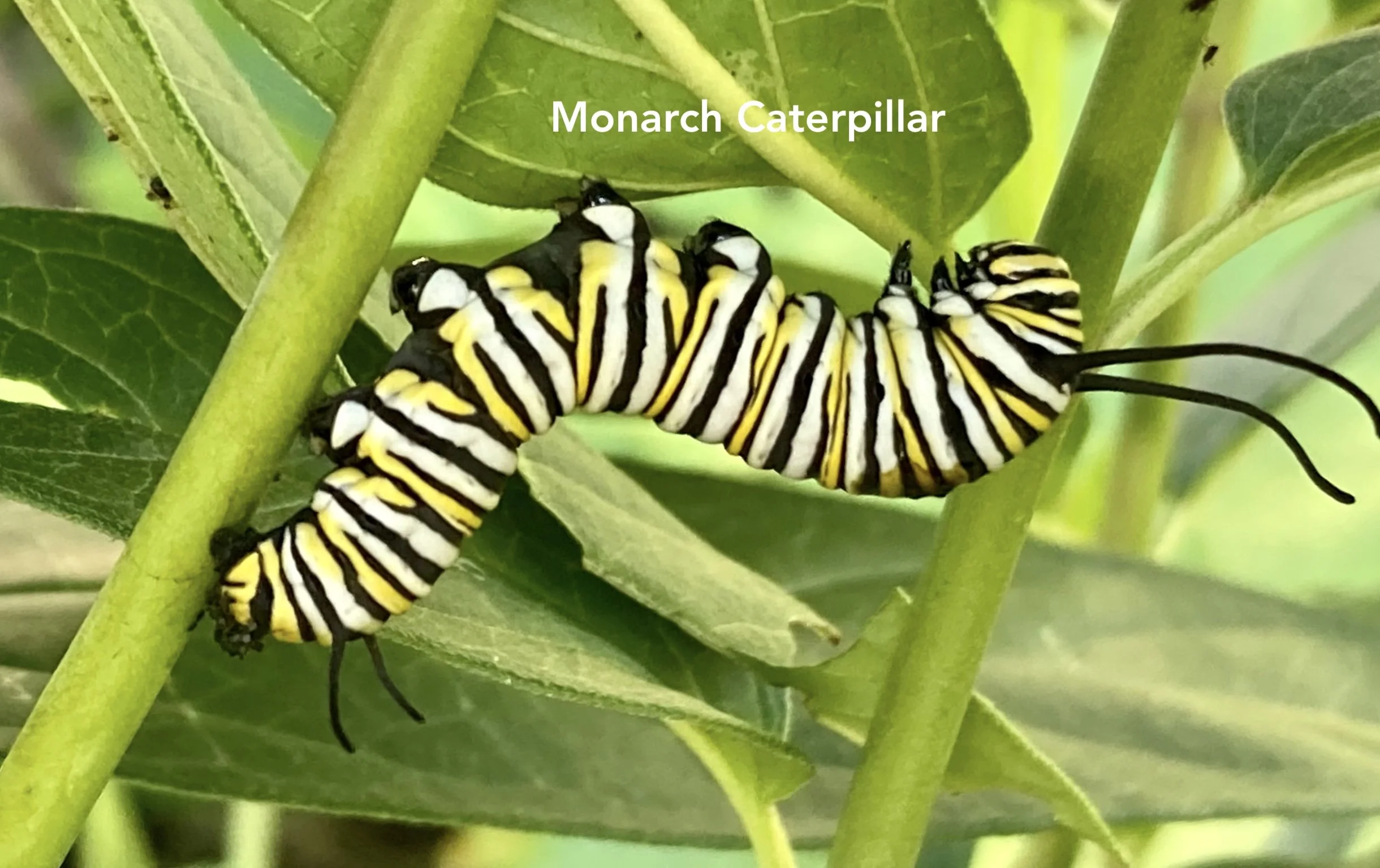
1. Checking it for monarch eggs and/or caterpillars (see pictures below). If there are no signs of activity, feel free to pull it! Honeyvine milkweed is not something we recommend purposely growing in urban/suburban gardens due to its aggressive nature. If you would like more monarch activity in your garden, we recommend swamp, butterfly, showy, and whorled milkweeds. If you have a larger space, common milkweed is also well-loved by monarchs.
2. If you see monarch eggs and/or caterpillars, please leave the honeyvine milkweed alone until it is no longer in use, which is usually no more than a couple of weeks. Once it is no longer in use, feel free to pull it.
Please note that honeyvine milkweed can spread aggressively by seed, so if it has already gone to seed, you will notice large seed pods that can easily be removed to prevent this spread.
Honeyvine milkweed is most beneficial to monarchs during their egg laying and larval stages. The start and stop of these behaviors vary by latitude. In Nebraska, most of this activity is done by late September, and honeyvine milkweed can be completely removed at this point.
Fun fact: honeyvine milkweed (Cynanchum laeve) is actually not a true Asclepias species.
Photos of Honeyvine Milkweed
Examples of Monarch Activity